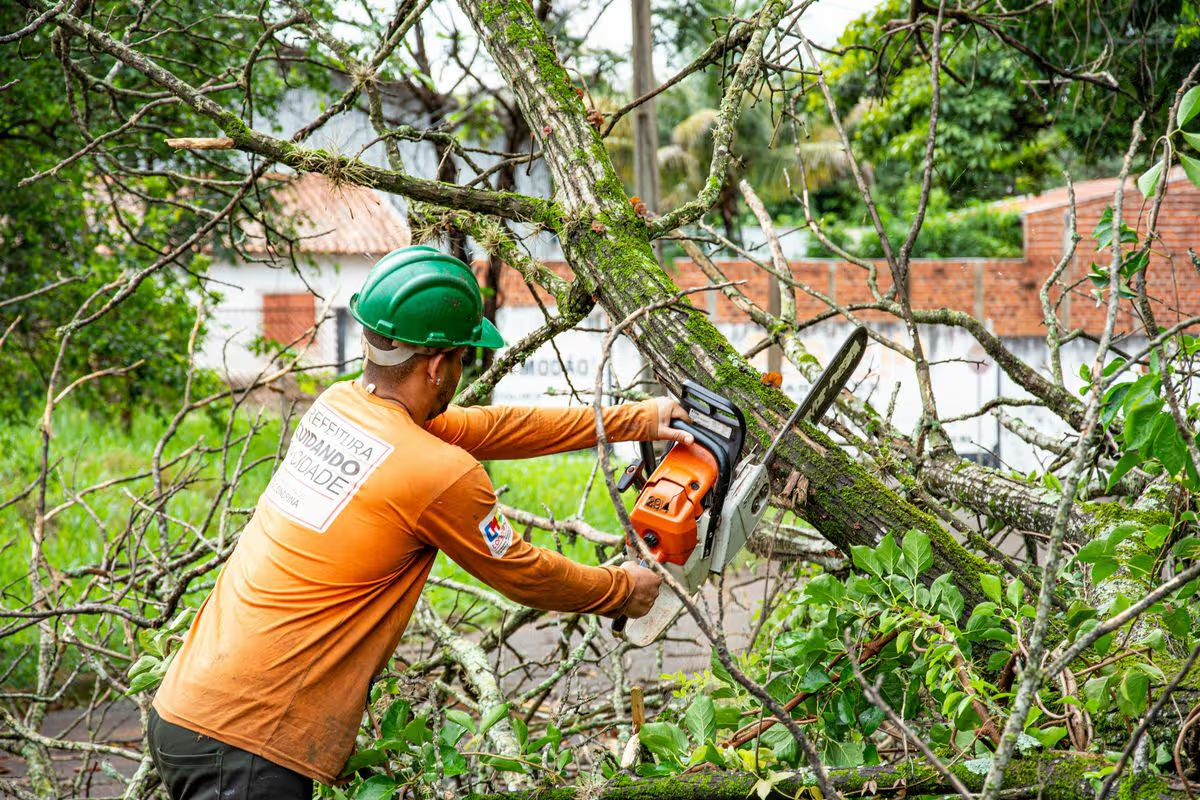
Severe storms can leave trees with broken branches, cracked trunks, and weakened root systems that may not be obvious at first glance. Even if a tree remains standing, hidden damage can increase the risk of future branch failure or complete collapse. Professional tree cutting after a storm helps eliminate hazardous limbs, improve tree health, and restore safety to your property.
Hidden Damage Can Be Dangerous
After high winds or heavy rain, a tree may appear healthy while suffering internal damage. Cracked limbs, split branches, and weakened joints can fail days or even weeks after the storm has passed.
A professional inspection helps identify these hidden hazards before they become emergencies.
Remove Broken and Hanging Branches
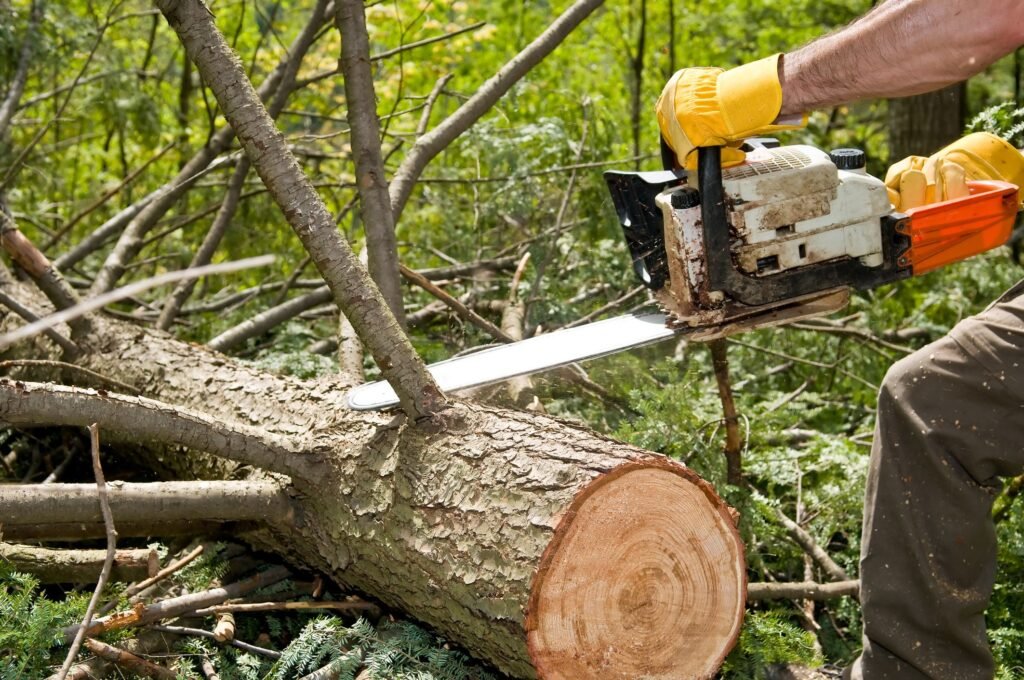
Storm-damaged branches often remain suspended in the tree canopy. These hanging limbs can fall unexpectedly, putting people, vehicles, and nearby structures at risk.
Removing damaged branches promptly helps prevent accidents and protects your property.
Reduce the Risk of Future Tree Failure
Storms place tremendous stress on trees. If damaged limbs are left untreated, they can weaken the overall structure and make the tree more vulnerable during future storms.
Strategic tree cutting removes unstable branches and improves the tree’s balance, reducing the likelihood of future failures.
Prevent Disease and Decay
Broken branches leave open wounds that allow insects, fungi, and bacteria to enter the tree. Without proper pruning, these wounds can develop into serious diseases that spread throughout the tree.
Professional tree cutting removes damaged wood using proper pruning techniques, helping the tree heal naturally.
Protect Your Home and Vehicles
Trees with storm damage may continue to lose branches long after the weather has improved. Limbs hanging over homes, driveways, garages, or sidewalks can create expensive repair bills if they fall unexpectedly.
Removing hazardous branches early provides peace of mind and reduces property damage risks.
Improve Tree Recovery
Not every storm-damaged tree needs to be removed. Many healthy trees recover successfully with proper pruning and maintenance.
Professional tree care specialists evaluate the tree’s condition and remove only the damaged sections, allowing healthy branches to continue growing.
Signs You Need Tree Cutting After a Storm
Schedule a professional inspection if you notice:
- Broken or hanging branches
- Split limbs
- Cracked trunks
- Leaning trees
- Branches touching your roof
- Uprooted or exposed roots
- Large amounts of fallen limbs around the tree
Early attention can prevent more serious problems later.
Why Hire Professionals?
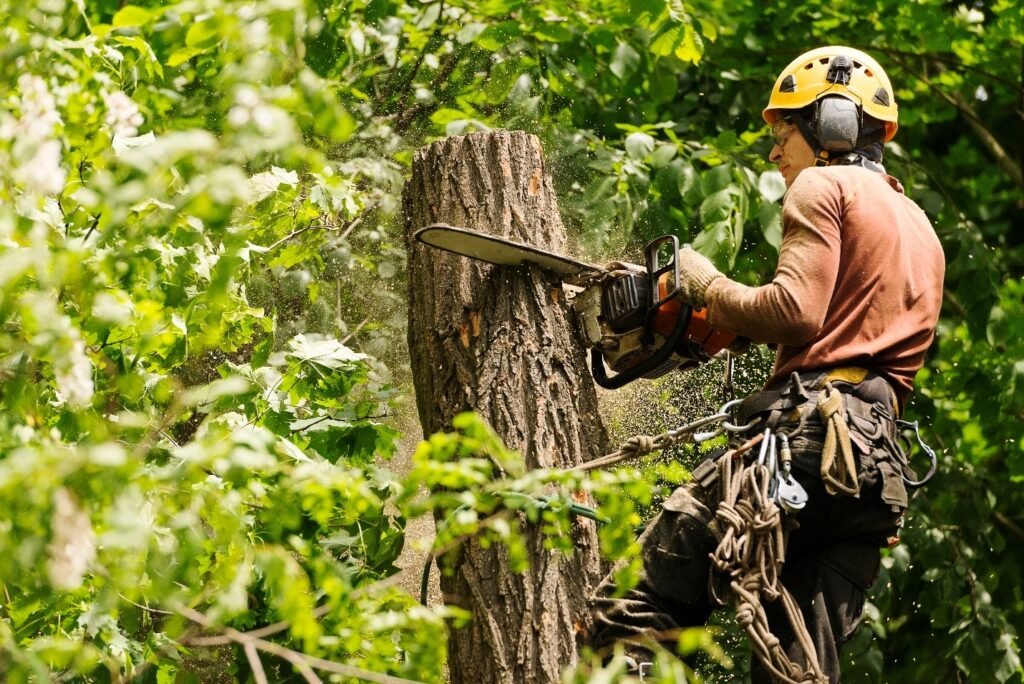
Storm-damaged trees are unpredictable and can shift or collapse without warning. Professional crews have the equipment and experience needed to safely remove damaged branches while protecting nearby structures and landscaping.
They also inspect the entire tree to determine whether pruning, cabling, or complete removal is the safest solution.
Conclusion
Storm damage should never be ignored, even if a tree still appears stable. Professional tree cutting removes dangerous branches, helps trees recover more effectively, and reduces the risk of future property damage. By scheduling a post-storm inspection and timely maintenance, homeowners can keep their landscape safe, healthy, and prepared for the next season.