New York City is a place where space is very limited, and every inch of property carries genuine value. Housing yards, commercial propertie,s and sidewalks commonly have trees planted nearby, which play an important role in both the city’s beauty and its environment.
These trees help improve air quality, provide shade and add a sense of life to an otherwise concrete-heavy landscape. Still, when a tree is cut down, many people suppose the job is finished. In reality, the real problem commonly starts when a tree stump is left behind in the ground.
A tree stump is not just an unattractive piece of leftover wood. It can become a source of safety risks, pest infections, and even legal issues, especially in a city like NYC.
That is why understanding stump grinding and knowing why and how it should be done is important for every New York City property owner. Stump grinding is a skilled method that safely grinds the stump below ground level without damaging the nearby area.
What a Tree Stump Is and Why It Becomes a Problem:
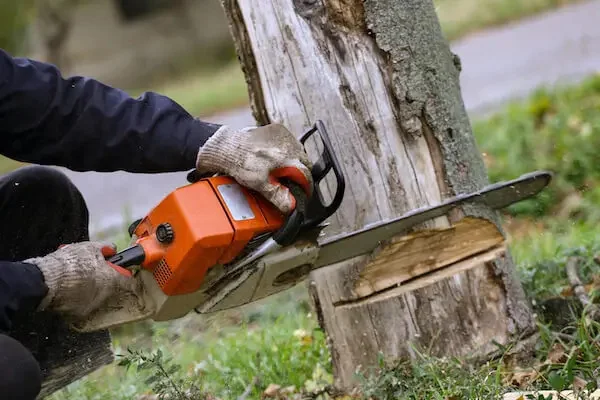
A tree stump is the portion of the tree that remains in the ground after tree removal. In many cases, the stump sticks slightly above the ground, making it look awkward in the middle of a lawn or near a sidewalk. In a city like NYC, where space is already limited, even a small stump can turn into serious trouble.
After destroying the look of the property, a stump also creates a tripping risk. People can easily slip, children may fall, and routine lawn maintenance becomes more difficult. Over time, the stump starts to collapse from the inside, attracting insects and pests that can finally spread to nearby healthy trees or even into the home.
Why Stump Grinding Is Necessary in NYC:
New York City’s strict regulations, high population heaviness and complex base make stump grinding even more important. A stump left near a sidewalk or public area is not just a private issue; it can quickly become a public safety concern. In such cases, the city may issue notices, fines, or legal warnings to the property owner.
Many NYC properties are older, with underground utilities such as water lines, gas pipes, and electrical systems operating under trees. Leaving a stump in place allows roots to collapse unpredictably, which can damage these utilities over time. Ignoring stump grinding commonly leads to bigger and more expensive problems in the long run.
What Stump Grinding Is and How It Works:
Stump grinding is a specialized method that uses heavy machinery to grind the stump into small wood chips. The machine works commonly from the top of the stump downward, grinding it many inches below ground level, commonly between six and twelve inches.
The main benefit of this method is that the stump is no longer visible, and the area becomes usable again. Instead of digging out the complete stump and roots, which can be disturbing, stump grinding is a controlled and useful method.
The Difference Between Stump Removal and Stump Grinding:
Many property owners believe stump removal and stump grinding are the same, but they are really very different processes. Stump removal involves pulling the complete stump and root system out of the ground. This process is very offensive and can damage lawns, sidewalks, and nearby structures.
Stump grinding, on the other hand, removes only the visible portion of the stump by grinding it below the surface. The roots remain underground and naturally collapse over time. Because space is limited and underground systems are sensitive in NYC, stump grinding is commonly the safer and more useful option.
Why DIY Stump Grinding Is Risky in NYC:
After watching online videos, some homeowners believe they can grind stumps themselves. In a city like NYC, this method is very risky. Stump grinding machines are heavy, powerful, and difficult to control without proper training.
Without experience, the machine can become unstable, wood chips can fly into windows or hit walkers,s and underground utilities can be damaged. In NYC, such accidents can result not only in physical harm but also in serious legal and financial outcomes.
Safety Risks Connected With Stump Grinding:
Stump grinding involves serious safety risks. The machine’s blades are very sharp and can cause serious injuries if used incorrectly. Flying trash poses a danger to the eyes, face, and body.
In NYC housing neighborhoods, people, children, and pets are commonly nearby. Grinding a stump without properly securing the area puts others at risk. Expert services use protective gear and controlled methods to guarantee safety during the process.
Why Expert Stump Grinding Services Are the Best Option:
Expert companies bring experience, proper tools, and protection insurance. If an accident or property damage happens during the job, the homeowner is not held directly responsible.
Experts also provide guidance on restoring the area after grinding, leveling the soil and preparing the space for future planting. This expert’s advice provides long-lasting benefits.
Long-Lasting Benefits of Stump Grinding
Stump grinding is more than just a cosmetic fix; it is a long-lasting investment. It reduces future safety risks, pest infections and maintenance challenges. Lawn care becomes easier and the space becomes fully usable again.
In a city like NYC, where every square foot matters, stump grinding helps property owners make the most of their land. It is a smart and responsible decision.
Conclusion:
Stump grinding is an important service for NYC property owners that is commonly overlooked. A tree stump is not just a mess; it can create safety risks, pest problems, legal issues, and reduce property value. The heavy environment and strict regulations of New York City make stump grinding even more important.
The smartest method is to rely on experts, experienced stump grinding services. This guarantees safety, agreements, and long-lasting peace of mind. Remember, cutting down a tree is not the end of the job; the real responsibility lies in managing the stump properly.