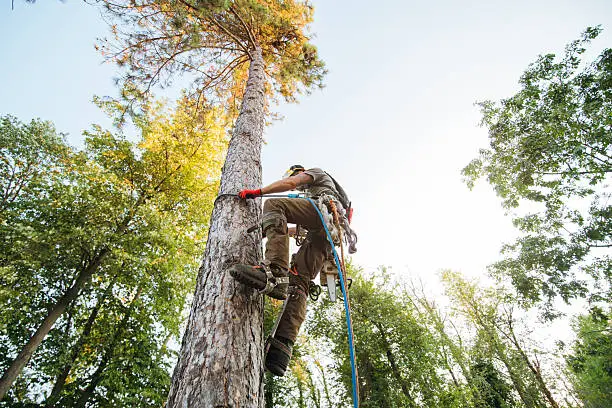
Trees add beauty, shade, and value to any property, but they also require regular care to remain safe and healthy. While some trees only need routine trimming, others develop structural problems that make professional tree cutting the safest option. Recognizing the warning signs early can help prevent property damage, injuries, and costly emergency tree removal.
The Tree Is Leaning More Than Before
A tree that suddenly begins leaning may have a weakened or damaged root system. While some trees naturally grow at an angle, a noticeable change after a storm or heavy rainfall could indicate structural instability.
A professional inspection can determine whether the tree can be saved or should be removed.
Large Dead Branches Are Falling
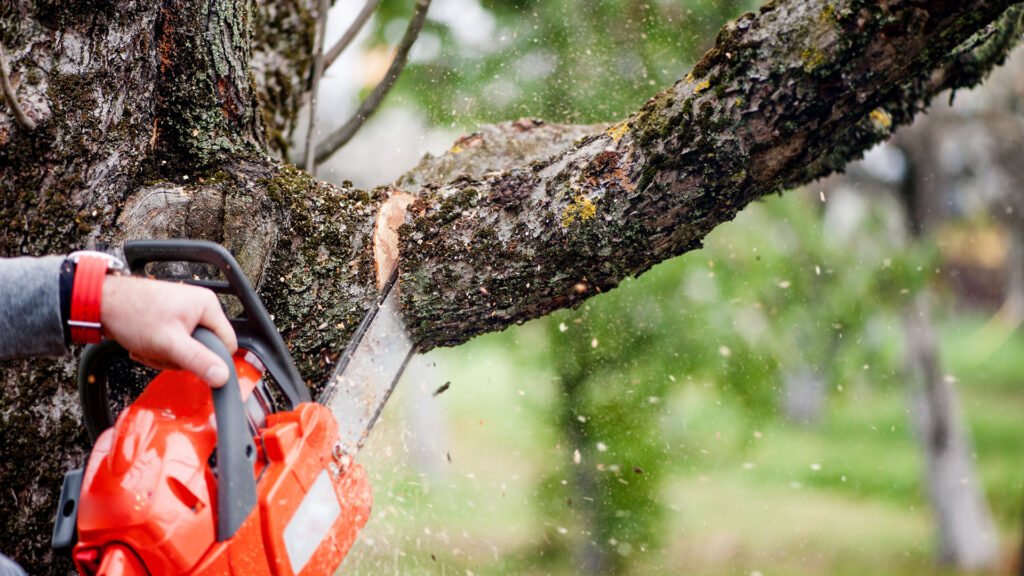
Dead branches become brittle over time and can fall without warning. These limbs pose a serious risk to:
- Homes
- Vehicles
- Sidewalks
- Fences
- Power lines
- Pedestrians
Removing hazardous branches—or the entire tree if necessary—helps prevent accidents before they happen.
Cracks in the Trunk
Deep cracks or splits in the trunk often indicate structural weakness. While small surface cracks may be harmless, large openings can reduce the tree’s stability and increase the risk of failure during severe weather.
Professional arborists can evaluate whether the tree can be treated or requires removal.
The Tree Has Extensive Disease or Decay
Fungal growth, hollow sections, peeling bark, and decaying wood are common signs that a tree’s health is declining. As decay spreads, the tree becomes weaker and more likely to collapse.
Early action helps protect nearby healthy trees and surrounding property.
Roots Are Damaged
Tree roots provide the support needed to keep a tree upright. Construction work, soil erosion, or severe storms can damage root systems, making even healthy-looking trees unstable.
Warning signs include:
- Raised soil around the base
- Exposed roots
- Leaning trunk
- Slow growth
- Dead branches
Root problems should always be evaluated by a professional.
The Tree Is Too Close to Structures
Trees growing near homes, garages, fences, or utility lines require careful monitoring. As branches continue to grow, they may rub against buildings, damage roofs, or interfere with electrical lines.
Professional tree cutting helps maintain safe clearance while protecting nearby structures.
Storm Damage Has Weakened the Tree
After strong winds, heavy snow, or lightning strikes, trees may suffer hidden structural damage. Even if the tree remains standing, cracked limbs or partially uprooted roots can create future hazards.
A post-storm inspection can identify whether pruning or complete removal is the safest solution.
Benefits of Professional Tree Cutting
Professional tree cutting offers several advantages:
- Improves property safety
- Prevents storm-related damage
- Removes hazardous trees
- Protects nearby structures
- Enhances curb appeal
- Promotes a healthier landscape
- Reduces future maintenance costs
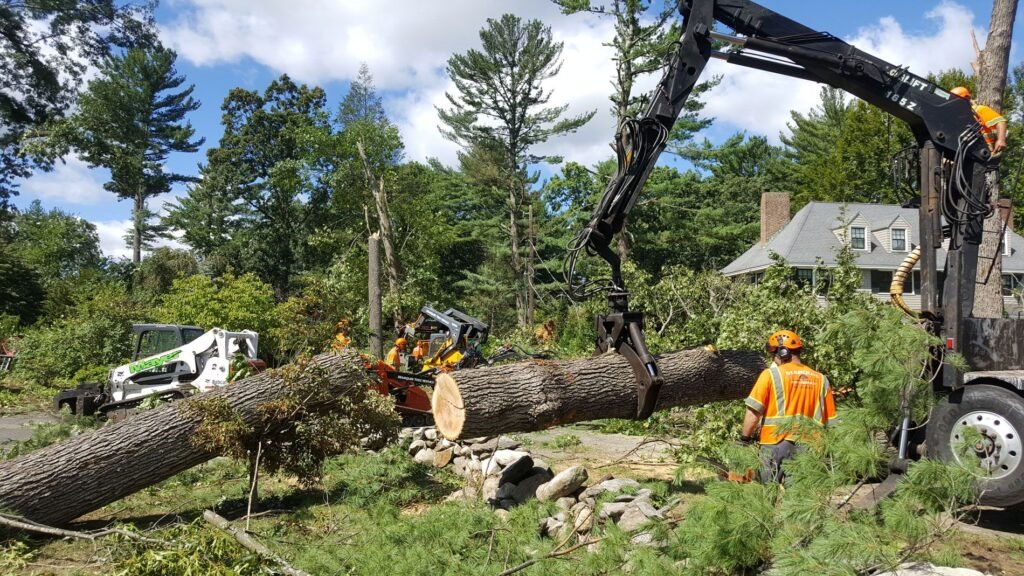
Experienced crews use specialized equipment to complete each job safely and efficiently.
Conclusion
Knowing when a tree needs professional cutting can help you avoid expensive repairs and dangerous situations. Whether the problem is storm damage, disease, root failure, or structural weakness, addressing it early protects your property and keeps your landscape safe. Regular inspections and timely tree care ensure your trees remain healthy while removing hazards before they become emergencies.