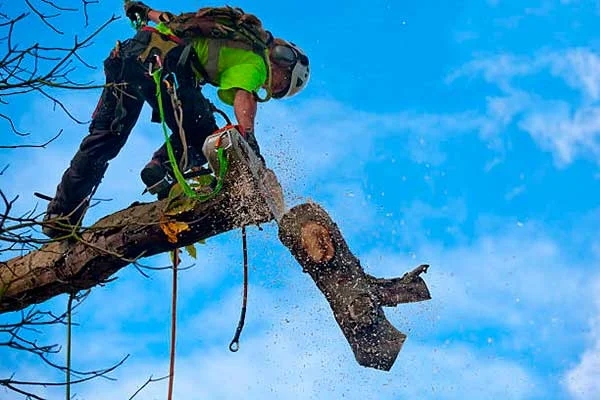
Is that tree a real trouble, or can it wait till another season? In New York City, that simple question often leads to costly consequences. What appears as a harmless delay, can swiftly escalate into a major concern of property damage, insurance disputes and legal liability. The trees in urban spaces do not die silently, they strike against the buildings, sidewalks and even the safety of people around. Insurers and city inspectors are increasingly focusing on whether the risks have been neglected or mitigated promptly by 2026. In case it is proved that a danger was present and was not treated, you may be in charge of the harm. Knowing the actual price of not having trees cut isn’t merely beneficial; it is essential in safeguarding your property, money, and legal status.
Why Tree Problems in NYC Escalate Faster T-han You Expect
Trees in NYC grow under pressure, literally. Poor soil space, pollution, construction close by and heavy winds all influence the stability of trees. What may appear as a trivial problem such as a broken limb or even a lean can easily escalate into structural collapse.
The thing is that the majority of the hazards cannot be seen on the surface. The tree is weakened by internal decay, root damage, or pest infestations. When the signs are spotted, it may be too late.
In crowded places such as Manhattan or Brooklyn, a minor failure can affect various properties, parked vehicles or pedestrians. That’s why delayed action often leads to bigger consequences.
How Insurance Companies View Tree Damage
A lot of property owners are under the assumption that insurance will take care of any damage caused by trees. This is not exactly the case.
Insurance companies in NYC look closely at preventability. When a tree collapses because of storm and there was no previous indication of a danger, the damage is typically included in a typical homeowner policy. However, where warning signs could be seen, such as dead branches, leaning trunks, or previously made complaints, then the case is different.
In such instances, insurance companies can claim negligence. That means:
- Your claim could be partially denied
- You might need to pay repairs yourself.
- After the incident, the premiums may be raised.
Maintenance history, photos, and even past inspection reports are frequently inspected by insurance adjusters. When it is obvious that the issue was not addressed, the coverage will be very limited.
Liability Risks: When You Become Responsible for Damage
When your tree crashes through the house of your neighbor, his car, or hurts someone, the question arises whether you knew or ought to have known about the danger. In case the answer is yes, then you may be held financially liable.
This is particularly necessary in NYC, where properties are tightly spaced. One falling tree will have an impact on several units or social areas. Claims of liability may involve:
- Property repair costs
- Healthcare costs of injuries.
- Costs of legal action in case of conflicts.
Despite the presence of insurance, liability cases may still result in substantial out-of-pocket expenses.
The Role of “Notice” in NYC Liability Cases
Among the most significant legal terms regarding tree related claims is notice.
You are supposed to take action in case you had notice before that a tree was dangerous, and you saw some evidence of damage or heard about it in complaints made by neighbors or during inspections. Failure to obey such a notice reinforces liability against you.
An illustration of this would be when a neighbor once told you about a dead tree and it fell on his/her land, this record can work against you. The same is true in case a risk was noted by a contractor or arborist and nothing was done.
Documentation is more of an issue in 2026. Responsibility can be ascertained by Emails, photos and even through inspection reports.
How Delays Impact Construction and Development Projects
Tree issues don’t just affect homeowners, they can disrupt entire construction timelines.
If a tree becomes unstable during a project, it can trigger Department of Buildings (DOB) intervention. Work may be paused until the issue is resolved, especially if safety is at risk.
Delays can lead to:
- Extended labor costs
- Permit complications
- Project timeline overruns
In some cases, failing to address tree risks before construction begins can result in stop-work orders, which are costly and difficult to resolve quickly.
Hidden Costs Most Property Owners Don’t Consider
The economic cost of not cutting down a tree is more than apparent harm.
Removal of trees in case of an emergency is very costly as compared to planned work. When the tree collapses unexpectedly, you are paying to get it serviced on-demand, have more laborers involved, and even in some cases, special equipment.
There are also indirect costs. Home value can be lowered by property damage, or it can cause disturbance to tenants, or it can pose safety hazards that have to be taken care of immediately. Legal disputes can add another layer of expense and stress.
These expenses can be prevented in case tree problems are dealt with early.
NYC Weather Patterns Make Delays Riskier
Major causes of tree failures are weather.
In New York, wind, heavy rain, and seasonal storms also occur, which strain already weakened trees. The recent pattern of climatic conditions has made sudden weather occurrences more frequent, thus making unstable trees more hazardous.
A tree, that has survived a storm, may not survive another. Waiting for visible failure is a risky approach, especially when weather conditions are unpredictable.
Signs You Should Never Ignore
Certain warning signs indicate that a tree needs immediate attention.
The evident signs include large dead branches, cracks in the trunk, and evident leaning. Other less noticeable symptoms are fungal growth at the base or bare roots or unexpected loss of leaves.
When a tree begins to come into contact with power lines or buildings, the level of risk increases. These cases must not be postponed but assessed immediately.
It is these signs that are usually disregarded, and will cause later denials of insurance claims and liability problems.
Preventive Action vs. Reactive Costs
There’s a clear difference between proactive maintenance and reactive emergency response.
Preventive tree cutting or pruning allows you to plan, get proper permits, and hire qualified professionals at standard rates. It also reduces the likelihood of damage and insurance complications.
Reactive action, on the other hand, happens under pressure. You’re dealing with damage, possible injuries, and urgent decisions. Costs are higher, options are limited, and the outcome is often more stressful.
In NYC, where regulations and risks are higher, prevention is always the smarter financial decision.
Why Professional Evaluation Matters
Reliance on visual judgment is one of the greatest errors that property owners commit.
Certified arborists are able to detect internal problems that cannot be seen externally. They are able to determine structural integrity, disease, and future risk. More to the point, they are able to offer documentation that can prove insurance claims or even defend you against liability.
A professional assessment on record demonstrates that you made reasonable efforts to keep safe. This may prove to be a great help in the event of a claim or a dispute.
Final Thoughts
Postponing the cutting of trees in New York City is not only a small oversight, but also a risk to its finances and legal consequences. What may begin as a minor problem can easily escalate into property damage, insurance claims or liability claims that are much more expensive than prevention.
In a city where there is no space and the danger is multiplied, it is important to act at the right time. To keep your property safe and within the limits of the law, it is advisable to hire qualified specialists in order to save your budget and avoid additional expenses. NYC Tree Cutting assists property owners deal with tree dangers in the right way, when they become expensive issues.